
MENU
What Should You Avoid After PCL Reconstruction?
Author : Dr. Kunal Patel (MBBS, MS (Ortho),Mch, FIJR, FIAS, (HSS-USA and Endoklinic Germany)
Category : orthopedics
Published Date : October 28, 2026
Table of Contents
PCL reconstruction rebuilds an important ligament at the back of your knee. But the surgery is only half the job. What you do in the weeks after it decides how well the knee heals.
The new graft is weak at first. A few wrong moves can stretch it before it settles. In this blog, we'll cover what to avoid after PCL reconstruction and what you can safely do instead.
What Is PCL Reconstruction?
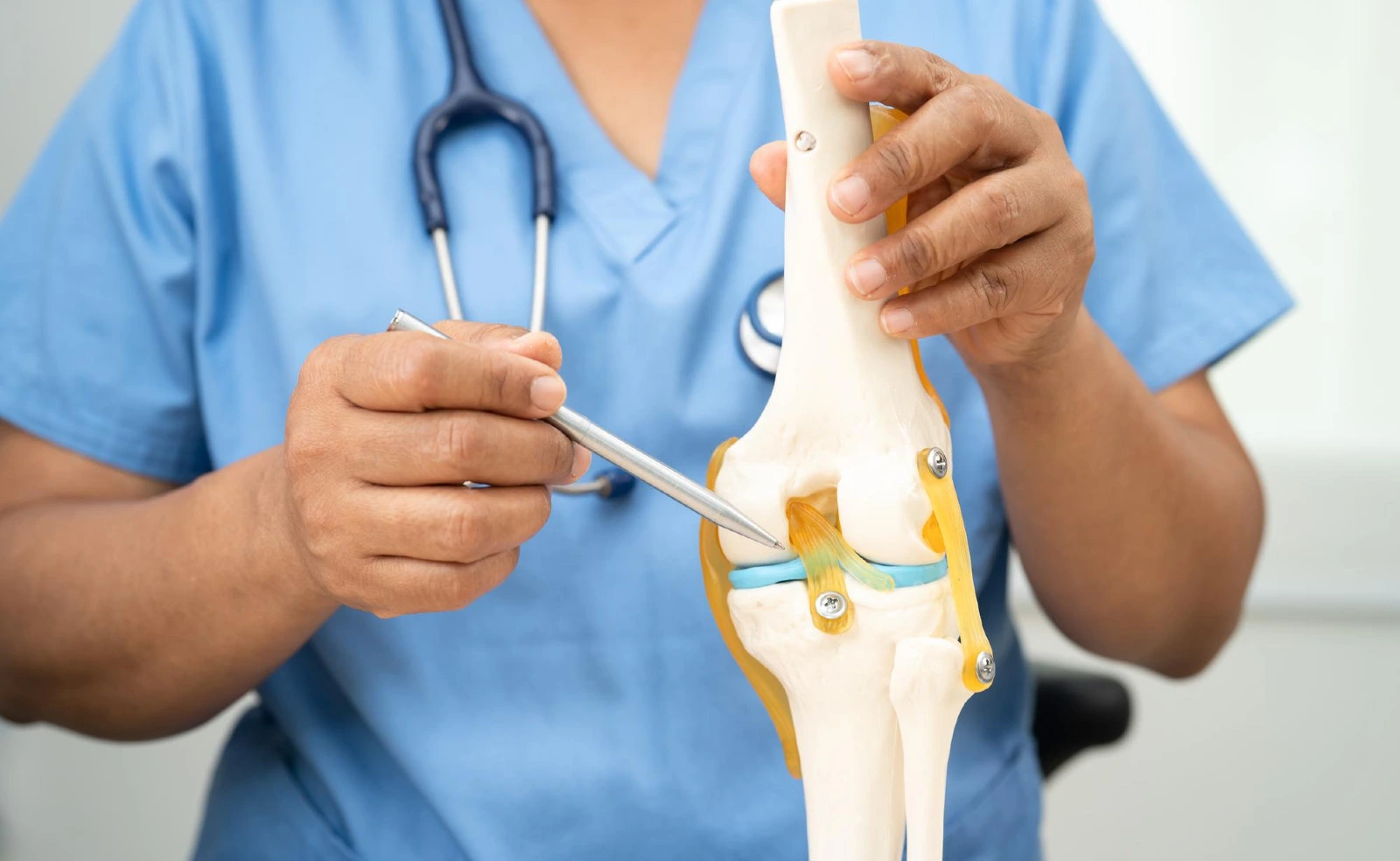
The posterior cruciate ligament (PCL) sits at the back of the knee. Its job is to stop the shin bone from sliding backward.
As reported in F1000Research, PCL injuries make up about 20% of knee ligament injuries. Many happen in road accidents, when the knee hits the dashboard. Others follow a fall on a bent knee or a hard tackle, much like other ligament injuries in sports persons.
A torn PCL often causes pain behind the knee, swelling and a feeling that the knee is loose. When the tear is severe or the knee feels unstable, the surgeon rebuilds the ligament with a graft. This is done through keyhole (arthroscopic) surgery.
Why the First Few Months Matter
After surgery, two forces pull your shin bone backward. One is gravity. The other is your hamstring muscles.
That is the exact direction the new PCL is trying to resist. Until the graft heals into the bone, this pull can loosen it. That is why PCL rehab moves more slowly than many other knee surgeries.
8 Things to Avoid After PCL Reconstruction
1. Removing Your Brace Too Soon
Your brace keeps the knee straight and supports the shin. Most patients wear it locked straight for the first few weeks. Take it off only when your surgeon says so, even if the knee feels fine.
2. Letting the Shin Sag Backward
When you lie with the knee bent, the shin can drop backward. Rest with a pillow under your shin or calf, not behind the knee. This holds the shin in the right position while the graft heals.
3. Doing Hamstring Exercises Too Early
Hamstring curls pull the shin backward. That puts direct strain on the new graft. Skip them until your physiotherapist clears you, which is often a few months.
4. Bending the Knee Too Far
Deep bending stretches the graft before it is ready. Your surgeon will set a safe range and widen it step by step. Don't push past that limit, even during exercises.
5. Putting Full Weight on the Leg Too Early
Walking without crutches too soon adds load the knee can't handle yet. Follow your weight-bearing plan closely. Most people move from crutches to full weight over several weeks.
6. Squatting, Kneeling or Sitting Cross-Legged
Floor sitting, Indian-style toilets and kneeling for prayer all need deep knee bending. Avoid them in the early months. A raised toilet seat and a firm chair make daily life much easier.
7. Taking Stairs Carelessly
Stairs load the knee more than flat walking, which is why knee pain often gets worse while climbing stairs. Always hold the rail. Place your normal leg first and then come down with the stairs on the operated leg first.
8. Rushing Back to Sports
Running, jumping and sudden turns put heavy force on the PCL. Most people need around 9 to 12 months before playing sport again. Return only after you pass strength and stability tests.
Recovery Timeline: What to Avoid at Each Stage
Every recovery is different. This table gives a general idea.
|
Stage |
Timeline |
What to Avoid |
|
Early protection |
0–6 weeks |
Bending, full weight, removing the brace |
|
Gradual movement |
6–12 weeks |
Deep bending, hamstring curls, squatting |
|
Strength building |
3–6 months |
Running or jumping without approval |
|
Return to activity |
6–12 months |
Contact sports before clearance |
What You Can Safely Do Instead
Protecting the knee does not mean staying still. Gentle, guided activity helps it heal.
- Thigh exercises: Tightening the front thigh muscle supports the shin from the front.
- Ankle pumps: Moving the ankle up and down keeps blood flowing and lowers clot risk.
- Ice and elevation: Both help control swelling in the early weeks.
- Short walks: Walk with crutches and your brace, as advised.
- Regular sessions: Planned physical therapy after orthopaedic surgery rebuilds strength in a safe order.
Steady rehab pays off. As reported in the Journal of Orthopaedic Case Reports, a government medical college in Maharashtra treated patients surgically for PCL avulsion injuries. With guided rehab, their knee function score rose from about 52 to 94 out of 100 within 12 months.
When to Call Your Doctor
Contact your doctor quickly if you notice:
- Fever or wound changes: Redness, warmth or discharge around the cut.
- Calf pain or swelling: This may signal a blood clot and needs urgent care.
- Sudden pain or swelling: Especially after a slip or twist.
- Knee giving way: A loose or wobbly feeling when you stand.
- Numbness or tingling: Any new change in feeling in the leg or foot.
If you are planning PCL reconstruction surgery in Chennai, ask your surgeon for a written list of dos and don'ts for each stage. An experienced orthopaedic surgeon in Chennai can check the graft and adjust your rehab as you progress.
Final Word
PCL reconstruction gives your knee back its stability, but healing takes patience. Protect the graft, follow your brace and weight-bearing plan, and never skip physiotherapy. Small precautions now prevent big setbacks later.
For expert care at every stage, consult Dr. Kunal Patel, a trusted sports injury and arthroscopy specialist in Chennai, for a personalised PCL treatment and recovery plan.
FAQs
1. What should I avoid after PCL reconstruction?
Avoid deep bending, early hamstring exercises, full weight too soon, squatting and sports before clearance.
2. How long do I need a brace after PCL surgery?
Most people wear a brace for several weeks. Your surgeon decides when it can come off.
3. Why are hamstring exercises restricted after PCL reconstruction?
Hamstrings pull the shin backward, which strains the healing graft.
4. When can I walk without crutches after PCL surgery?
Usually after several weeks, once your surgeon allows full weight on the leg.
5. Can I keep a pillow under my knee after PCL surgery?
No. Place the pillow under your shin or calf so the shin does not sag backward.
6. When can I squat or sit cross-legged after PCL reconstruction?
Usually only after a few months, once you have enough bend and strength and your surgeon agrees.
7. Is it safe to climb stairs after PCL reconstruction?
Yes, with care. Hold the rail, go up with the good leg and come down with the operated leg.
8. How soon can I play sports after PCL surgery?
Most people return in about 9 to 12 months, after passing strength and stability tests.
9. Who is the best doctor for PCL reconstruction in Chennai?
Dr. Kunal Patel is an orthopaedic surgeon in Chennai with a decade of experience in arthroscopic and ligament surgery. He plans each patient's surgery and rehab around their goals.
10. What happens if I stress the knee too early after PCL surgery?
The graft can stretch or loosen, which may leave the knee unstable again.