
MENU
Why Are Knee Injuries So Common in Sports?
Author : Dr. Kunal Patel (MBBS, MS (Ortho),Mch, FIJR, FIAS, (HSS-USA and Endoklinic Germany)
Category : Knee
Published Date : April 01, 2026
Table of Contents
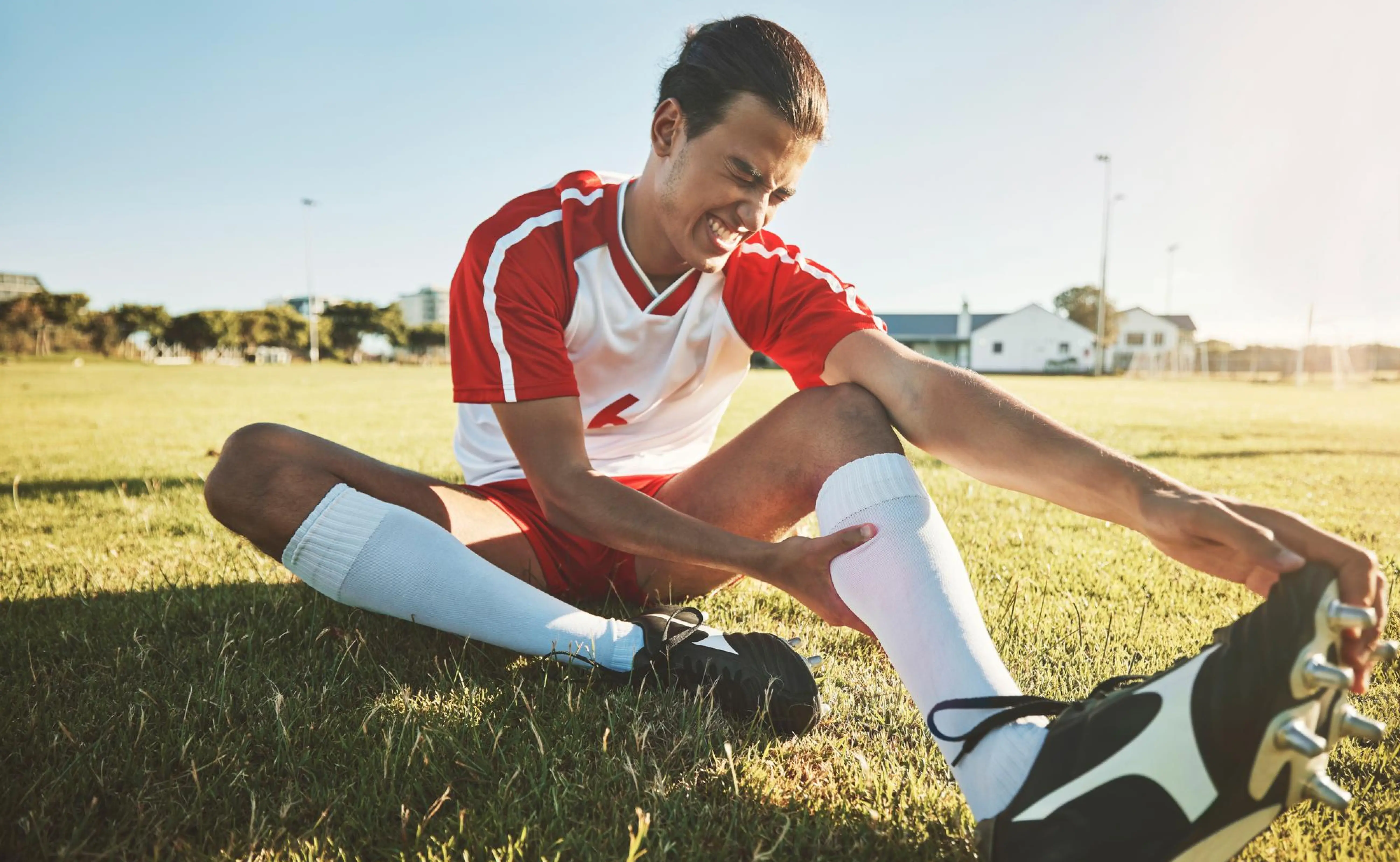
One of the most common problems of athletes and fitness enthusiasts is knee injuries. The knee joint is in constant motion, balance, and impact, whether it is running, football, cricket, or gym workouts. Due to this fact, even a slight strain or improper movement can have an impact on the stability of the knee in the long run.
The knee is a big and highly active joint in the body. It helps to hold up the body weight, enables movement, and softens the impact of physical activity. The knee in sports is subjected to repetitive stress, sudden change of direction, and high-impact motions. Most knee injuries can be avoided or treated in the proper way with proper knowledge and care.
Knowing the reasons behind knee injuries in sports will allow people to take more precautions and keep playing the game regardless.
8 Most Common Knee Injuries in Sports
Knee injuries do not occur because of one cause. They normally occur as a result of a combination of physical stress, technique and training habits. Knowing these reasons will assist sportspeople and fitness enthusiasts in preserving their joints.
In India, knee injuries are quite common, with more than 2 lakh people suffering ACL (Anterior Cruciate Ligament) tears every year.
1. High Load on the Knee Joint
The knee carries your body weight during most movements, like running, jumping, and landing. The overloading over time may overstretch the ligaments and cartilage, particularly in high-impact sports.
2. Sudden Direction Changes
Sports such as football, basketball and badminton require sudden turns and pivots. These movements cause instant strain on knee ligaments, and this raises the chances of injury.
3. Weak Supporting Muscles
The muscles surrounding the knee, particularly the hamstrings and quadriceps, play a key role in maintaining its stability. With weak muscles, the knee becomes more susceptible during activity.
4. Poor Exercise Technique
Improper positioning in exercises or sports activities may exert unequal force on the knee. This can cause tension or distress in the long run.
5. Lack of Proper Warm-Up
Missing warm-ups decreases the flexibility of joints and the muscles' preparedness. This enhances the possibility of strain during abrupt movements.
6. Overtraining Without Rest
Training with no rest does not give the knee time to rest. This may cause overuse injuries and slow joint stress.
7. Previous Knee Injuries
A previous knee injury can predispose the joint to stress. If proper rehabilitation isn’t done, the risk of the injury coming back becomes much higher.
8. Playing on Hard or Uneven Fields.
The knee can be impacted more by surfaces that are not shock-absorbent. This occurs in outdoor activities and may lead to joint strains in the long run. For proper care and long-term joint health, consulting specialists at the best knee hospital in Chennai can help you manage and prevent such issues effectively.
Which Sports Have the Highest Knee Injury Rates?
Most injuries happen in people aged 16 to 20, accounting for nearly 60% of cases. Men are affected more often than women, making up around 63% compared to about 37% in women.
It is worth knowing that all activities that require running, jumping, or sudden movement may affect the knee before considering particular sports.
Knee injury is more likely in some sports, which include:
- Football - many changes of direction and contact.
- Basketball - jumping and fast landings.
- Badminton and Tennis - lateral quick movements.
- Cricket- running, stops and fielding.
- Gym Training- heavy squats, lunges and poor lifting habits.
Although these are risk sports, they can be done safely with the right technique and preparation. If you experience any discomfort or injury, seeking guidance from the best ortho doctor in Chennai can help you recover safely and prevent future complications.
How Can You Prevent Knee Injuries?
Simple and regular habits prevent knee injuries. The aim is to minimize the undue stress on the joint and enhance strength, flexibility, and control of movements.
1. Enhance Supporting Muscles.
Powerful muscles surrounding the knee, particularly the quadriceps and hamstrings, assist in absorbing impact and maintaining joint stability. These muscles, when developed, minimize the direct stress on the knee. To enhance balance and safeguard the joint during sports and daily activities, it may be beneficial to include regular strength training in your routine.
2. Follow Proper Technique
Knee safety requires the use of the right form when engaging in sports and workouts. Poor form, particularly when squatting, lunging, or running, may cause asymmetrical stress on the joint. Correct movement patterns and posture correction can decrease the strain over the long run and enhance performance.
3. Warm Up Before Activity
Warm-up is a healthy exercise that prepares your muscles and joints to move. It enhances blood circulation, flexibility and decreases stiffness. Intense activity without warming up may increase the susceptibility of a knee to sudden stress, and even several minutes of preparation can help a lot.
4. Progressively Intensify.
The knee joint may be overloaded by sudden changes in the intensity or duration of the workout. Slow development will enable the body to adjust safely to increased activity. It does not matter whether you are adding weight, speed or distance; little and gradual changes are used to avoid undue strain.
5. Allow Adequate Rest
Rest forms a significant component of any training program. It enables the muscles and ligaments to rest and regenerate following activity. Without rest, continuous training may cause overuse injuries, and thus, a time to rest will ensure your joints are healthy in the long term. Staying informed about advancements like artificial intelligence in knee replacement surgery can also help you make smarter decisions about joint care and treatment options.
6. Use Proper Footwear
Supportive footwear also aids in keeping the knee in the correct position and minimizes the impact on the knee. Poorly fitting shoes or those that lack cushions may add pressure to the joints. The right footwear can enhance comfort and minimize the risk of injuries based on the activity you are engaged in.
7. Listen to Early Signs
Light knee pain, stiffness, or fatigue cannot be overlooked. These are the initial signs that the joint is in need of rest or care. Early intervention of these signs with appropriate care is a measure that prevents additional strain and long-term joint health.
Conclusion
Sports are associated with knee injuries since the joint is at the center of movement and balance. Nevertheless, risk can be minimized by knowing the causes and implementing preventive measures.
Athletes and fitness enthusiasts can remain safe with adequate training habits, muscle strengthening, and timely care. When knee pain is ongoing or performance-related, it is recommended to refer to an orthopaedic specialist to make sure of the correct course of action to recover and maintain healthy joints. Contact our doctors right now to begin your treatment.
FAQ’s
1. Are knee injuries common in all sports?
Knee injuries can occur in many sports, especially those involving running, jumping, and sudden movements.
2. Can knee injuries be prevented completely?
While not all injuries can be avoided, proper technique, strength training, and rest significantly reduce risk.
3. Is gym training safe for the knees?
Yes, when done with proper form and controlled weight progression, gym training can strengthen and support knee health.
4. What is the time to visit a doctor with knee pain?
If knee discomfort lasts more than a few weeks or affects movement, medical evaluation is recommended.
5. Do knee braces help prevent injuries?
Braces may provide support in some cases, but they should be used based on medical advice.