
MENU
5 Non-Surgical Treatments for Joint Pain Relief
Author :
Category :
Published Date : November 17, 2025
Table of Contents
Joint pain may cause routine tasks to seem challenging, but the good news is that there are a great number of non-surgical remedies to joint pain that are equally safe and effective. Lifestyle adjustments and appropriate care can enable most individuals to improve without having to undergo surgery with appropriate support. This guide is a straightforward, non-invasive treatment for joint pain, which helps alleviate pain and enhance mobility.
What Causes Joint Pain?
The joint pain may occur because of osteoarthritis, injuries, overuse, lifestyle, age-related wear, or underlying health conditions. The Indian Council of Medical Research (ICMR) estimates that about 22 to 39 percent of adults in India have ever suffered the symptoms of joint pain. Understanding the cause helps in choosing the right joint pain treatment options.
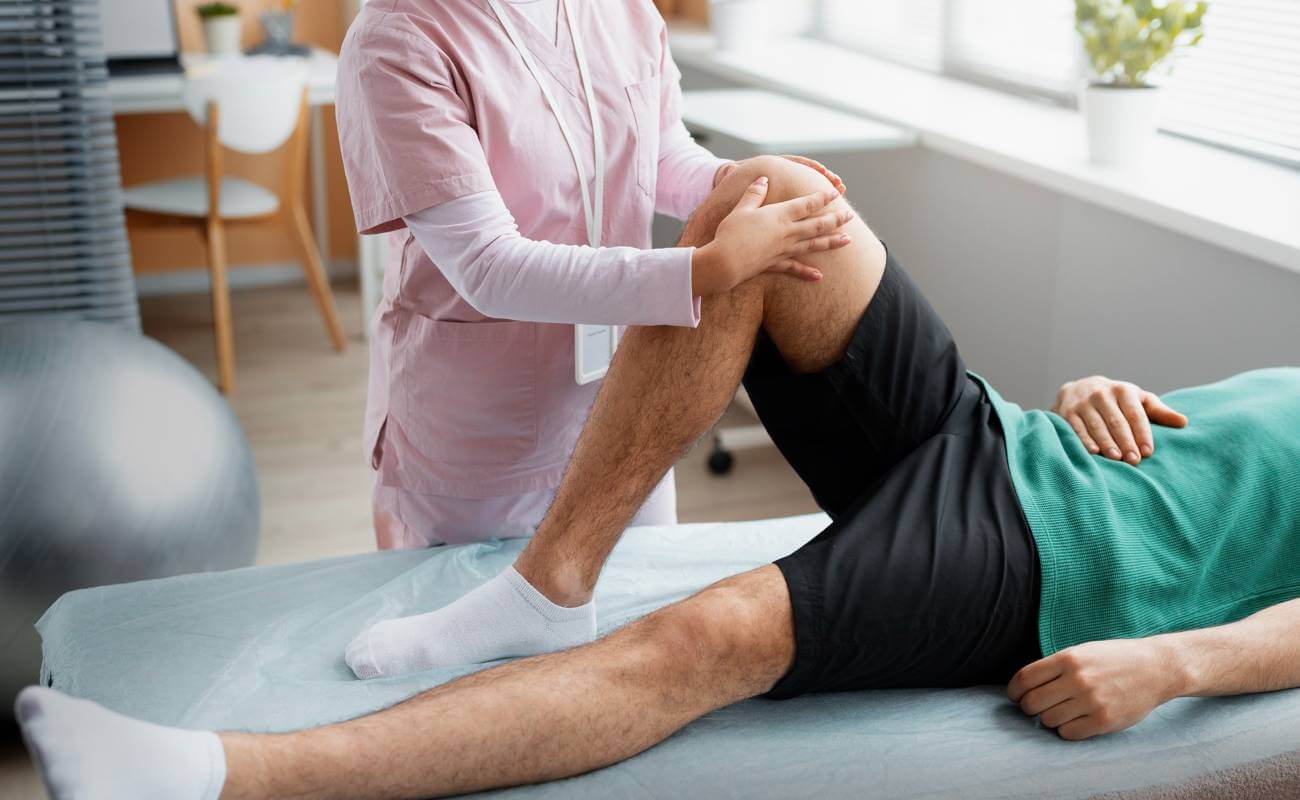
1. Physical Therapy for Joint Pain Relief
One of the most effective non-surgical methods of relieving joint pain is physical therapy. It aims at enhancing flexibility, muscle building, and recovery of movement.
Physical Therapy includes:
· Monitored stretching and strengthening exercises.
· Manual therapy
· Balance and mobility education.
Why It Works
The tightening of muscles surrounding the joint helps to reduce the strain to be less and overall stability is enhanced. Physical therapy also enhances blood circulation, which helps in the healing process. Many people also combine these exercises with expert orthopaedic guidance in Chennai to maintain strong, healthy joints and prevent recurring discomfort.
2. Medications for Pain & Inflammation
Non-invasive joint pain therapies often involve medications, particularly when the level of inflammation is elevated. These medicines will allow you to feel comfortable enough to keep carrying on with physical therapy and your daily routine.
Types of Medications
|
Medication Type |
Purpose |
Examples |
|
NSAIDs |
Reduce inflammation & pain |
Ibuprofen, Naproxen |
|
Analgesics |
Relieve pain without reducing inflammation |
Paracetamol |
|
Topical Agents |
Localised pain relief |
Diclofenac gel |
|
Supplements (Doctor-Guided) |
Support joint health |
Vitamin D, Calcium |
Best For
Individuals with mild to moderate pain, early arthritis, or pain flare-ups. In many such cases, people also seek specialised knee care from the best Orthopedic Surgeon in Chennai to understand long-term solutions and protect joint health with the right medical guidance.
3. Therapeutic Joint Injections
Non-surgical administration of joint pain with therapeutic injections is a safe and commonly employed treatment as long as pain is not responding to simple measures.
Types of Injections
· Corticosteroid Injections: Decrease inflammation and provide fast relief.
· Hyaluronic Acid (Viscosupplementation): Aids in lubricating the joint.
· Platelet-Rich Plasma (PRP): Takes advantage of your own platelets and uses them to enhance traditional healing.
Why It Works
They are treated by injection directly into the joint, which helps relieve the pain and enhance the mobility. They particularly assist those who are osteoarthritic, sports casualties, or who experience chronic joint pain. Many people with these concerns also choose to consult a trusted orthopaedic specialist in Chennai to ensure they receive the right guidance and long-term care.
4. Lifestyle Modifications for Joint Health
Even small adjustments lead to a huge difference, particularly in terms of long-term relief.
Helpful Lifestyle Tips
· Prevent excess weight to ensure less pressure on the knees and hips.
· Add low-impact physical activities such as walking or swimming.
· Consume a healthy diet that is high in Vitamin D, anti-inflammatory foods, and calcium.
· Do not sit or stand up too long.
AIIMS Delhi reported that even a 5-10% loss of weight may help a lot to decrease pressure on weight-bearing joints and provide relief to symptoms of early arthritis.
5. Braces, Supports & Orthotics
Braces and supports provide a gentle stabilisation to joints, alleviate pain, and also enhance direction during movement.
How They Help
· Minimize stress on the affected joint.
· Enhance mobility and posture.
· Avoid additional strains during routine activities or physical exercises.
Individuals with arthritis of the knee, ankle instability, or back pain tend to feel more comfortable in physician-prescribed bracing. And when these conditions involve the knee, many patients also explore expert-guided care to stay active and pain-free, as recommended by orthopaedic specialists in Chennai.
Conclusion
Joint pain does not necessarily imply surgery. There are numerous effective treatment steps to manage your joint pain in order to remain active, mobile, and comfortable. Most patients respond to a combination of non-surgical interventions for joint pain, including physical therapy and a simple lifestyle change.
When the pain does not disappear and affects your daily activities, it is always preferable to consult an orthopaedic specialist to receive personalised and timely attention. And during such times, many patients choose to reach out directly for expert guidance and next steps to ensure they get the right care without delay. Get in touch with us right now!
Medically Reviewed by:
Dr. Kunal Patel, MBBS, MS (Ortho), MCh, FIJR, FIAS
Consultant Orthopaedic & Joint Replacement Surgeon, Apollo Hospitals
(Trained at HSS-USA & Endoklinik, Germany)
FAQ’s
1. Are non-surgical treatments enough for long-term relief?
Yes, many people manage joint pain successfully with physical therapy, lifestyle changes, and medications. Surgery is only recommended when these fail.
2. Do injections hurt?
You may feel slight discomfort, but the procedure is quick and most patients tolerate it well.
3. Can joint pain improve without medicines?
Yes, physical therapy, weight management, and exercise can significantly reduce pain.
4. How soon do I see results with physiotherapy?
Most people start noticing improvements within 3–6 weeks of regular therapy.
5. When should I see a doctor?
If you have persistent pain for more than 2–3 weeks or difficulty doing daily activities, consult an orthopaedic specialist.